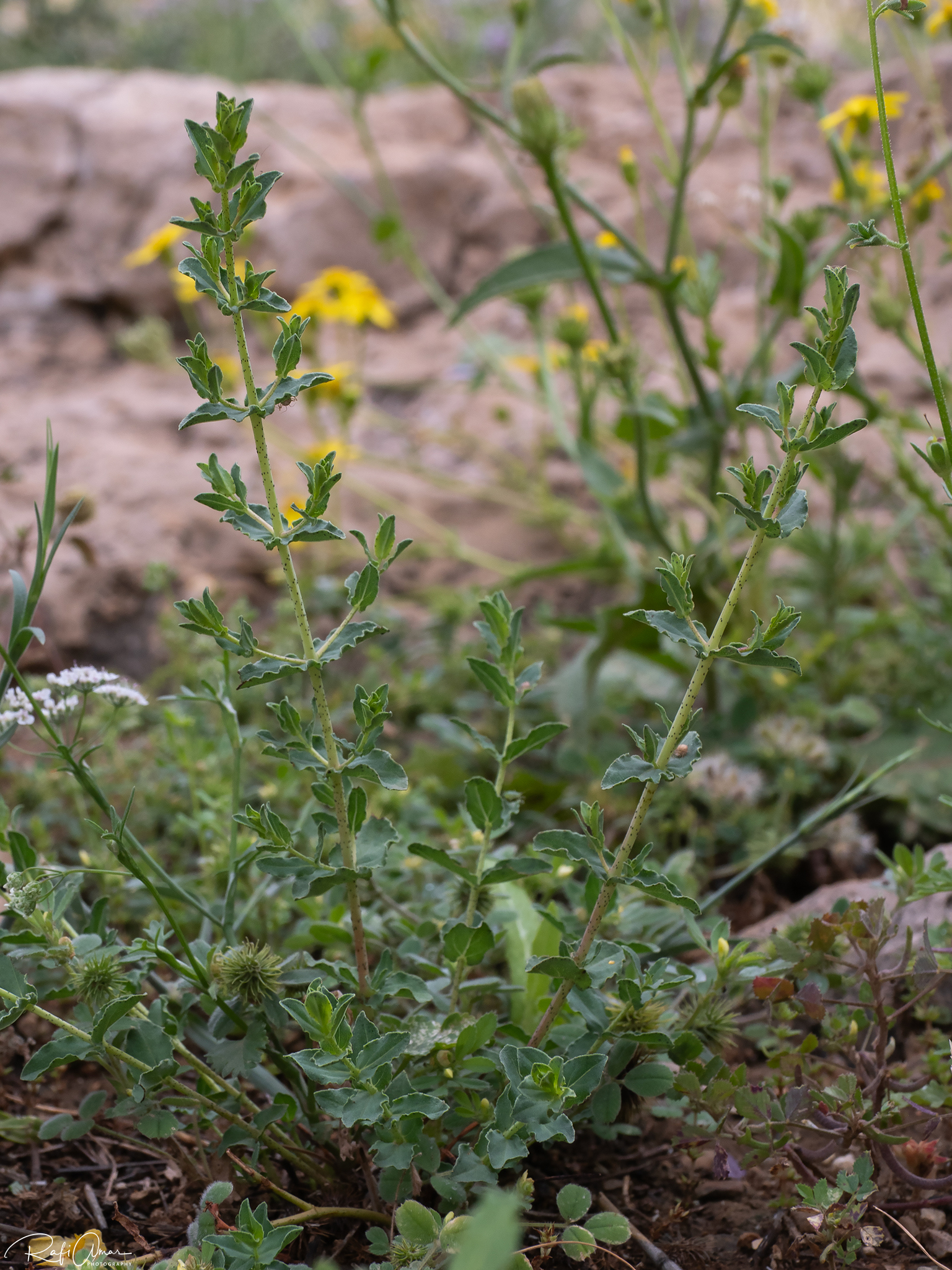
Eastern St John's wort (Hypericum triquetrifolium)
Care, watering, light and tips for Eastern St John's wort on Floravia.
Quick facts
- Family: Hypericaceae
- Difficulty: Easy to care for
- Watering: every 7 days
- Light: Partial shade
- Temperature: 10–30 °C
- Toxicity: Toxic to pets
About Eastern St John's wort
Hypericum triquetrifolium, commonly known as three-leaved St. John's Wort, is a perennial herb or subshrub belonging to the Hypericaceae family, native to the Mediterranean region. It is characterized by its small leaves, often arranged in whorls of three, and its bright yellow flowers with five petals. It is ideal for rock gardens, sunny borders, or as ground cover in dry climates.
Native range
Mediterranean region, including southeastern Europe, North Africa, and Southwest Asia.
Care tips
It prefers full sun exposure for abundant flowering, although it tolerates some partial shade. It requires well-drained, sandy or rocky soil, and is very drought-tolerant once established, so watering should be sparse. Avoid overwatering, as it is susceptible to root rot in waterlogged soils. It does not require regular fertilization.
How to save a dying Eastern St John's wort
- Warning signs
- Yellowish or brown leaves, limp or dry stems, lack of flowering.
- First aid
- Check watering, prune dead stems, ensure full sun and well-drained soil.
- What kills it
- Excessive shade, waterlogged soil, or complete lack of water in dry periods.
- Can it be saved?
- Yes, if roots aren't rotted and conditions are corrected promptly.