Stinking St John's wort (Hypericum hircinum)
Care, watering, light and tips for Stinking St John's wort on Floravia.
Quick facts
- Family: Hypericaceae
- Difficulty: Easy to care for
- Watering: every 7 days
- Light: Partial shade
- Temperature: 10–30 °C
- Toxicity: Toxic to pets
About Stinking St John's wort
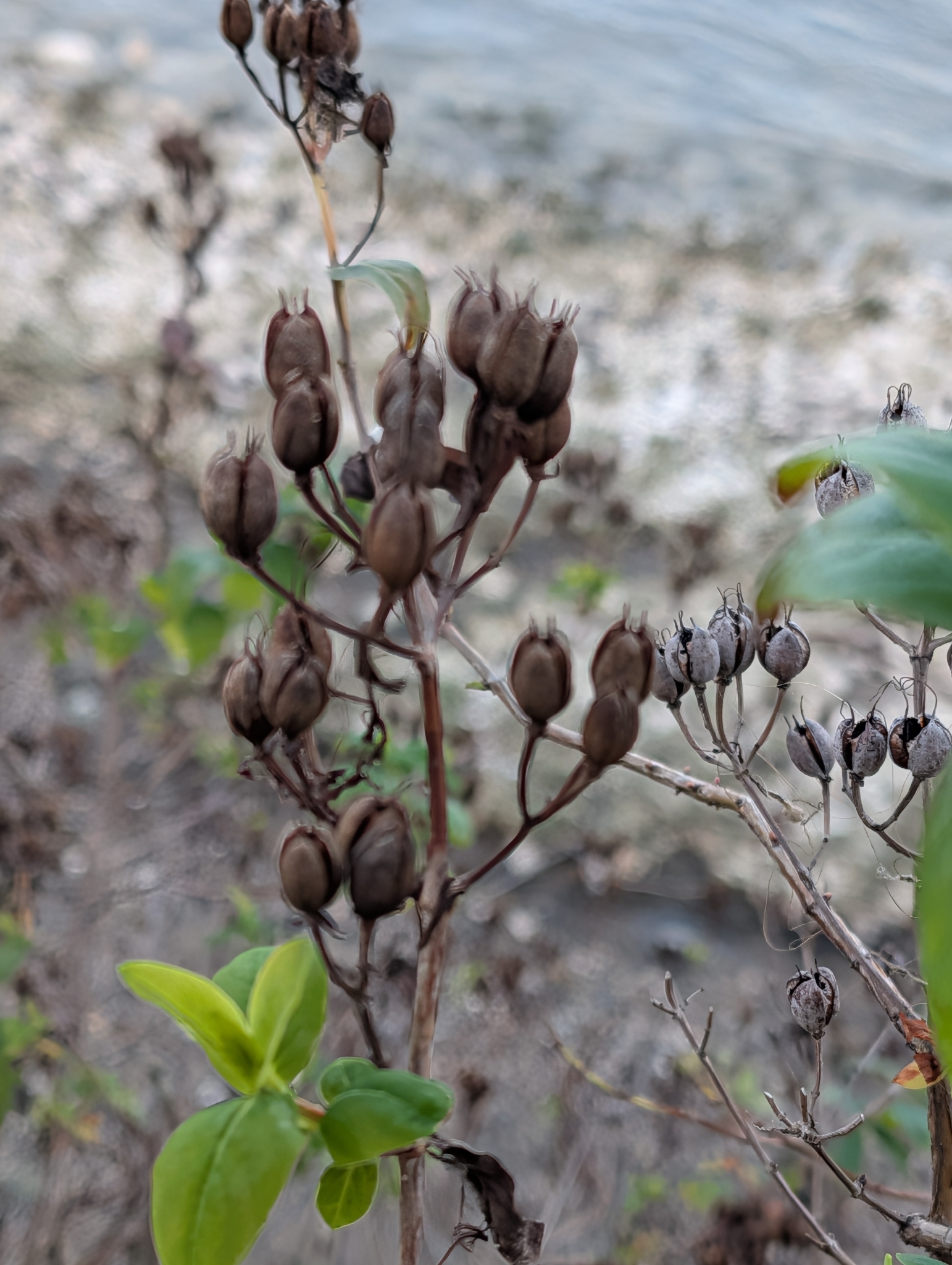
Hypericum hircinum, commonly known as Stinking Tutsan, is a deciduous or semi-evergreen shrub from the Hypericaceae family, recognized by its leaves that emit a strong, distinctive odor when rubbed. It produces bright yellow flowers with numerous stamens in summer, followed by reddish berries that mature to black. It's ideal for shrub borders, wild gardens, or as a filler plant in semi-shady areas.
Native range
Mediterranean region (southern Europe and northern Africa)
Care tips
It prefers full sun to partial shade exposure and is quite adaptable to various soil types, as long as they have good drainage. Watering should be moderate, allowing the substrate to dry out slightly between waterings, although it tolerates periods of drought once established. A common mistake is planting it in excessively heavy or waterlogged soils, which can lead to root rot. It is quite resilient and low-maintenance.
How to save a dying Stinking St John's wort
- Warning signs
- Yellow or brown falling leaves, poor or no flowering, weak or dry stems.
- First aid
- Move to partial shade, check watering (avoid waterlogging, but don't let it dry out), prune dry branches.
- What kills it
- Excessive direct sun and lack of water in summer, or constant waterlogging.
- Can it be saved?
- Yes, if roots aren't rotted and green stems remain. It's resilient.