Chinese sweetgum (Liquidambar chinensis)
Care, watering, light and tips for Chinese sweetgum on Floravia.
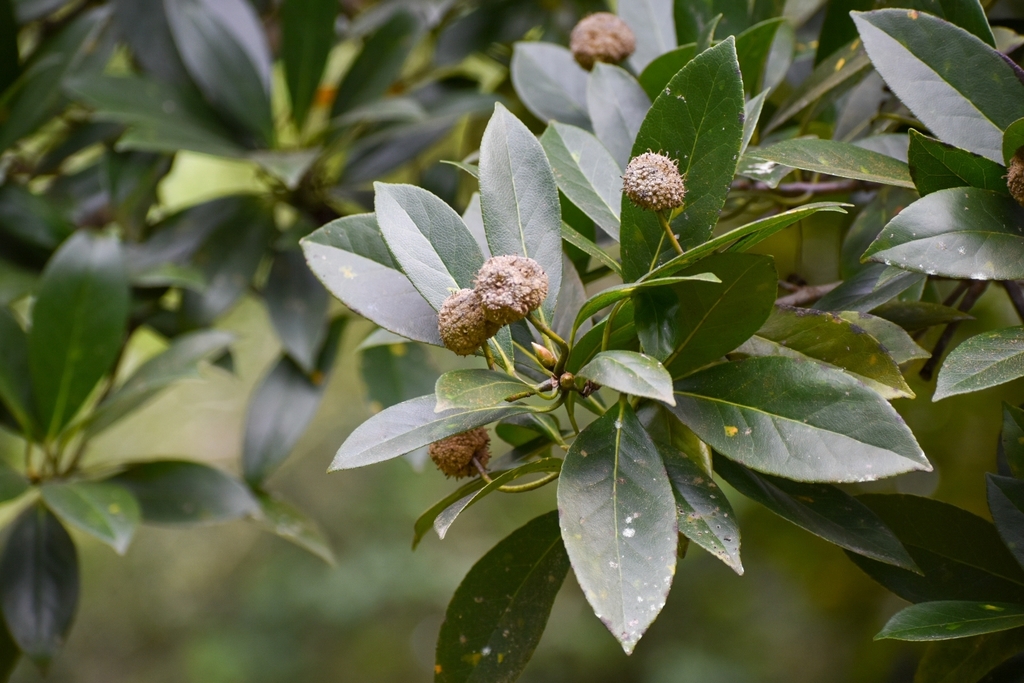
Quick facts
- Family: Altingiaceae
- Difficulty: Moderate care
- Watering: every 7 days
- Light: Partial shade
- Temperature: 10–30 °C
- Toxicity: Toxic to pets
About Chinese sweetgum
Liquidambar chinensis, also known as To Hap Trung Hoa, is a medium to large deciduous tree, valued for its lobed foliage that turns into spectacular shades of red, orange, and purple in autumn. It's an excellent choice for parks and large gardens, where its pyramidal shape and vibrant fall coloration can be fully enjoyed as a stunning focal point.
Native range
Central and southern China, Taiwan, and northern Vietnam
Care tips
It prefers full sun exposure for optimal growth and intense autumn coloration. Regular watering is required, especially during dry periods and in its early years, ensuring the soil remains evenly moist but not waterlogged. It thrives in deep, well-drained, slightly acidic to neutral soils. A common mistake is planting it in alkaline or shallow soils, which can limit its growth and the intensity of its coloration.
How to save a dying Chinese sweetgum
- Warning signs
- Yellowing or browning leaves prematurely, excessive leaf drop out of autumn, dry or brittle branches. Indicates water stress or disease.
- First aid
- Check watering: if soil is dry, deep water. If waterlogged, improve drainage. Prune dead branches. Protect from extreme sun.
- What kills it
- Constant waterlogging suffocates roots, prolonged drought dehydrates. Very alkaline soil also weakens it.
- Can it be saved?
- Yes, if roots aren't totally rotted or trunk completely dry. Acting quickly is key for recovery.