Guelder rose (Viburnum opulus)
Care, watering, light and tips for Guelder rose on Floravia.
Quick facts
- Family: Viburnaceae
- Difficulty: Easy to care for
- Watering: every 7 days
- Light: Partial shade
- Temperature: 10–30 °C
- Toxicity: Toxic to pets
About Guelder rose
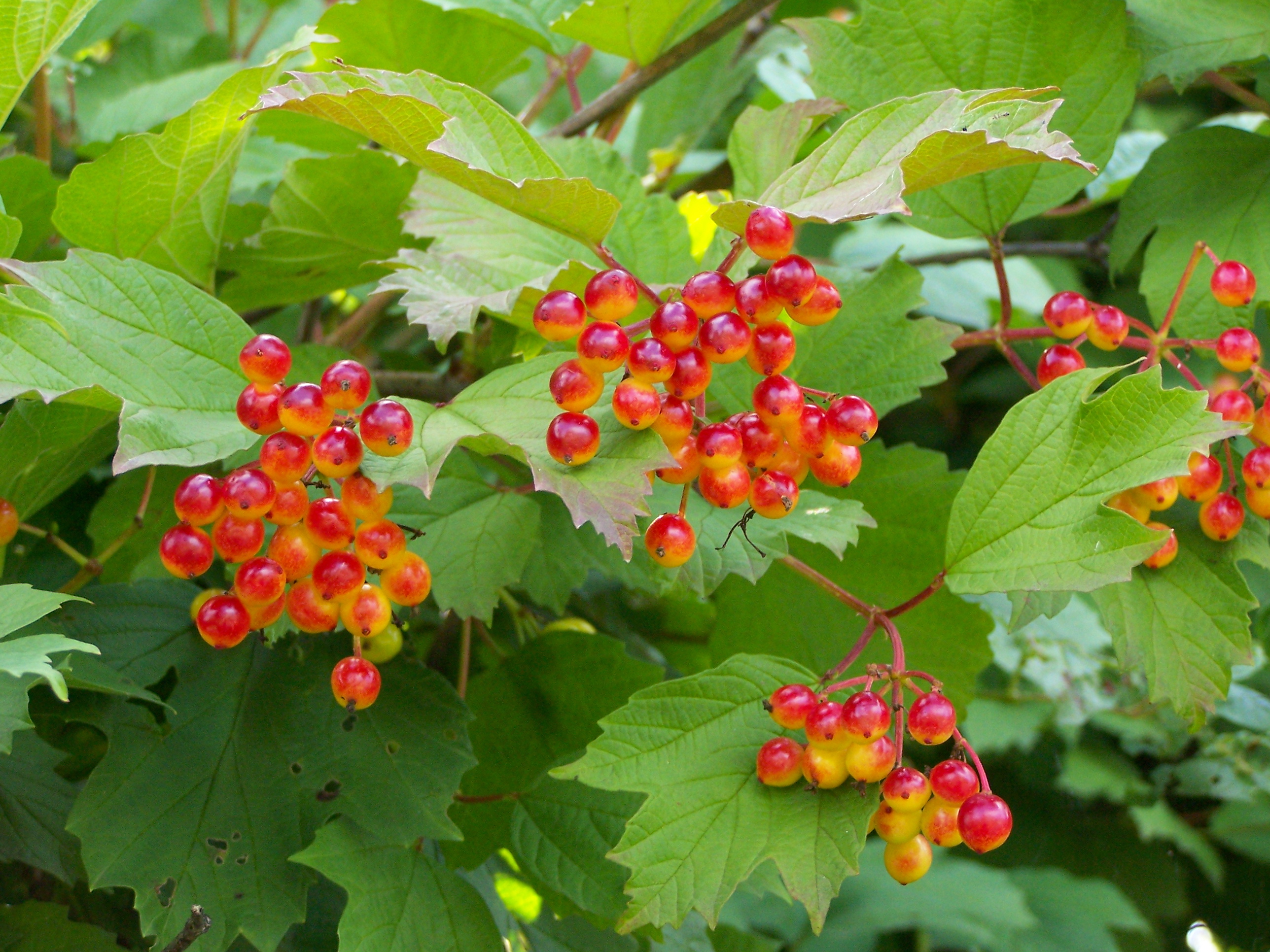
Viburnum opulus, commonly known as Guelder-rose or Snowball tree, is a medium to large deciduous shrub prized for its spectacular globe-shaped white flower clusters in spring and bright red berries in autumn. Its lobed green foliage adds seasonal interest, turning reddish or purplish with cooler temperatures. It is ideal for informal hedges, as a specimen plant, or at the back of shrub borders.
Native range
Europe and temperate Asia
Care tips
It prefers full sun to partial shade, which will encourage more abundant flowering and fruiting. The ideal soil is moist but well-drained, rich in organic matter, and it tolerates a wide range of pH. Keep the soil consistently moist, especially during dry periods and in its first few years after planting. A common mistake is planting it in very dry or poor soils, which can limit its growth and flowering, or performing severe pruning that removes the previous year's flower buds.
How to save a dying Guelder rose
- Warning signs
- Leaves wilting rapidly, turning brown, and dropping. Flowers not opening or drying prematurely. Branches dying back from the tips.
- First aid
- Check watering: if dry, water deeply. If waterlogged, improve drainage. Prune dead or diseased branches immediately. Apply fungicide if leaf spots appear.
- What kills it
- Constant waterlogging suffocates roots. Also severe drought stress or lack of key nutrients (chlorosis).
- Can it be saved?
- Yes, if you act quickly. A Viburnum with many dry leaves can still recover if roots aren't completely damaged and the cause is corrected.