Blue elderberry (Sambucus cerulea)
Care, watering, light and tips for Blue elderberry on Floravia.
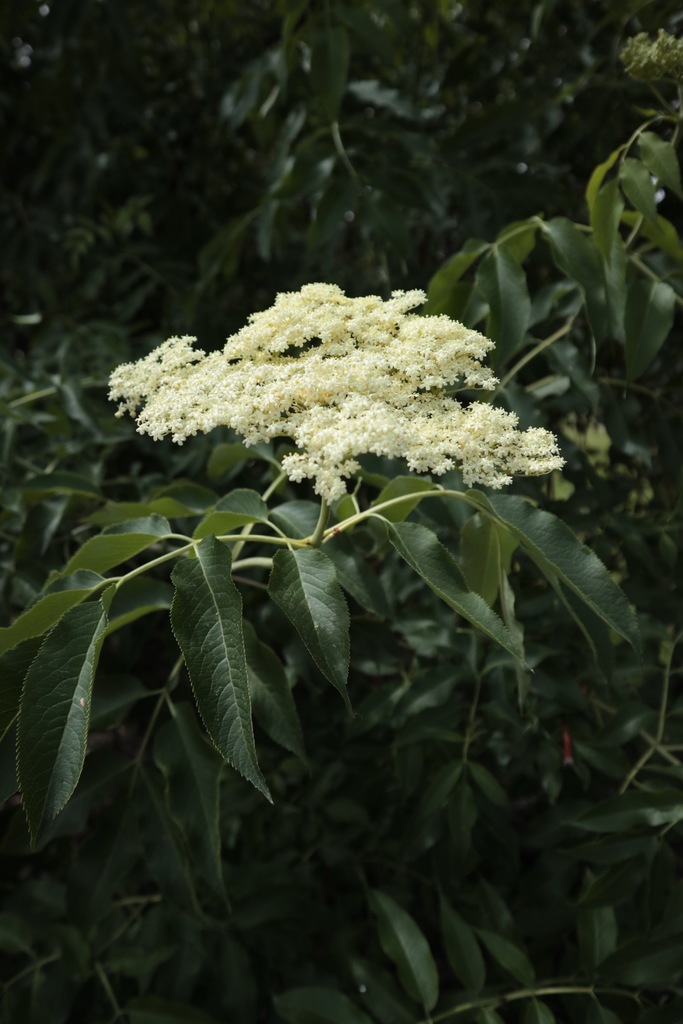
Quick facts
- Family: Viburnaceae
- Difficulty: Moderate care
- Watering: every 7 days
- Light: Partial shade
- Temperature: 10–30 °C
- Toxicity: Toxic to pets
About Blue elderberry
Sambucus cerulea, or blue elderberry, is a deciduous shrub or small tree native to western North America, recognized for its bright green compound leaves and clusters of edible dark blue berries. It's an excellent choice for wildlife gardens or informal hedges, providing seasonal interest with creamy white flowers in spring and vibrant fruit in summer and autumn. Its somewhat open habit and berries make it ideal for woodland edges or as a specimen in a naturalized garden.
Native range
Western North America, from British Columbia to northern Mexico
Care tips
This plant thrives in full sun to partial shade and adapts to a wide range of soils, though it prefers well-drained, moist conditions. Watering should be regular during dry spells, especially in its early years, but once established, it's quite drought-tolerant. It's crucial to avoid overly heavy and waterlogged soils, as these can lead to root rot. A common mistake is neglecting to prune it, which can encourage a stronger structure and better berry production.
How to save a dying Blue elderberry
- Warning signs
- Yellowing or wilting leaves, dry or prematurely fallen berries. Stunted growth.
- First aid
- Check watering, ensure good drainage. Prune dry or diseased branches. Protect young plants from extreme sun.
- What kills it
- Constant waterlogging leading to root rot. Prolonged drought in young specimens.
- Can it be saved?
- Yes! It's quite resilient. Act quickly by correcting watering and providing nutrients if soil is poor.