Mexican elderberry (Sambucus mexicana)
Care, watering, light and tips for Mexican elderberry on Floravia.
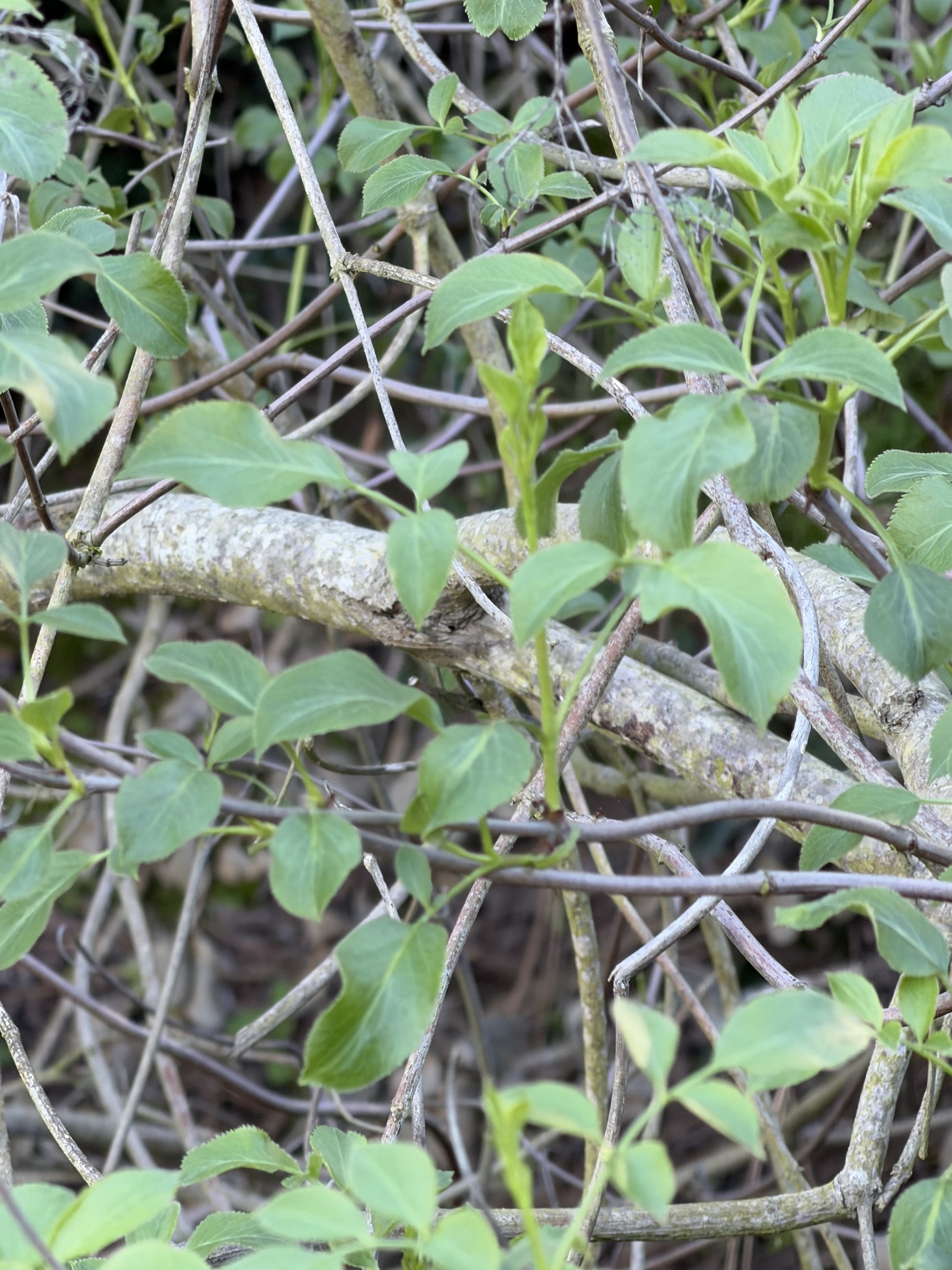
Quick facts
- Family: Viburnaceae
- Difficulty: Easy to care for
- Watering: every 7 days
- Light: Partial shade
- Temperature: 10–30 °C
- Toxicity: Toxic to pets
About Mexican elderberry
Sambucus mexicana, commonly known as Blue Elderberry, is a deciduous shrub or small tree native to North America, valued for its clusters of creamy white flowers in spring and abundant edible dark blue berries in summer. Its rounded form and bright green foliage make it ideal for hedges, wildlife gardens, or as an ornamental specimen in native landscapes. The berries are attractive to wildlife and can be used in jams and wines.
Native range
Southwestern United States and Mexico
Care tips
It prefers full sun to partial shade and adapts to a wide range of soils, though it thrives in well-drained, moist soils. Water regularly during the first year to establish, then it is quite drought-tolerant but benefits from occasional watering in dry climates. A common mistake is planting it in poor, very dry soils without supplemental irrigation, which can limit its growth and berry production. Rejuvenation pruning in winter can encourage vigorous growth and more abundant flowering.
How to save a dying Mexican elderberry
- Warning signs
- Wilted, yellowing, or spotted leaves, premature leaf drop, dry or brittle stems.
- First aid
- Check soil moisture, prune dead or diseased branches, protect from intense sun if young.
- What kills it
- Prolonged drought, waterlogging, poor or compacted soil, lack of pruning.
- Can it be saved?
- Yes, if its roots are healthy. It's resilient but needs prompt attention.